Election fraud and protests | Opinion

What do people do when they feel they haven’t been heard; that the issues they feel strongly about haven’t been settled satisfactorily? Some may give up, but some may protest. We’ve seen it in our American history.
The Suffragettes protested until women were given the right to vote. Union members strike for better pay and benefits. Native Americans protest commercial development on their lands. And on Jan. 6, 2021, Republicans protested the outcome of the vote totals in the recent Presidential election.
They have been questioning the outcome of the vote in several states, and have found witnesses to the alleged fraud; but the courts have cited procedural errors or insufficient evidence. So the media reports that there is no fraud in the elections, that both parties have made these claims, but they are baseless.
However, much later, buried in the newspapers, if reported at all, are the numerous cases of ineligible people voting. In Minnesota, at least 120 fraudulent votes by ineligible voters have brought charges and convictions from 2005 through 2012. In some cases, people filled out an absentee ballot belonging to someone else. Others claimed to be US citizens when they were not, such as Susan Walker and Dllsa Saddler. Some offered to sell their votes, and many others were ineligible convicted felons. So to be told repeatedly that “There is no fraud”, is a hollow claim.
The 2008 Norm Coleman/Al Franken U.S. Senate race is an example. At the end of the initial count, Coleman led by 725 votes, but a recount included previously rejected ballots and amazingly, Franken then won by 312 votes. But a later examination of who voted by conservative watchdog organization, Minnesota Majority, showed that in Hennepin County at least 341 were ineligible convicted felons, and also 52 in Ramsey County. Many of us are still scratching our heads over that outcome.
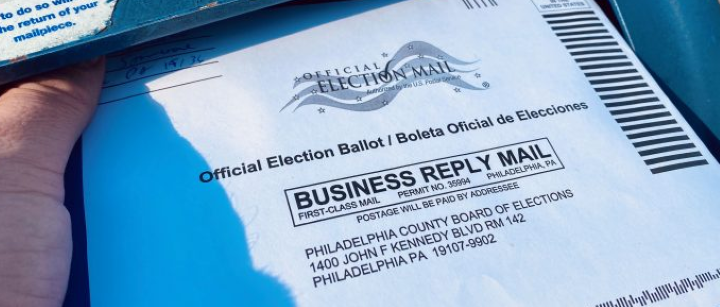
Now in 2020, nationwide, several secretaries of state rather than state Legislatures changed directives on how people can vote and how votes are tallied. Previously, we needed to go to our polling place, show an ID, sign our name, and then we were given a ballot. If we had no proof of who we were, we were turned away. And all voting was completed by 8 p.m. on election day. An absentee ballot could be requested, to be returned by Election Day.
Now, there is a confusing array of rules in different states. Some places mail out ballots to everyone who voted in previous elections. If some of those recipients have passed away, the ballot is available to fraud. Some states allow the return of ballots several days after the election. Some need no signature verification. It has led to mistrust by many Americans.
The Jan. 5 assault on the Nation’s Capital was horrendous, inexcusable and most Republicans are appalled by the actions of some fringe elements of the party. There is no excuse for what the rioters did, but there may be a reason.