Product Recalls Have Doubled Since the Pandemic: New Study
The majority of products recalled by the FDA were food and beverages.
Product recalls—including those for food, beverages, and baby products—issued by the U.S. Food and Drug Administration (FDA) and Consumer Product Safety Commission (CPSC) have doubled in rate since the start of the pandemic.
Since 2018, the FDA has initiated more than 1,000 food and drug recalls, while the CPSC has been responsible for more than 1,500 product recalls, hitting a record high of 603 recalls in 2022. The organizations expect to reach 443 recalls by the end of 2023. Previous years saw 280 to 300 recalls.
What Products Were Recalled the Most?
MasterControl, the life sciences software company that analyzed data from the last five years, found that the majority of products recalled by the FDA were food and beverages, accounting for 64 percent of recalls over the past five years. Other commonly recalled products include medications (22 percent of recalls), animal and veterinary products (6 percent of recalls), medical devices (4 percent of recalls), dietary supplements (2 percent of recalls), and cosmetics (1 percent of recalls). For the CPSC, child and baby products were at the top, accounting for one in five product recalls.
According to MasterControl, allergens drove most of the recalls led by the FDA, accounting for 34 percent of the recalls between 2018 and 2022. Foodborne illnesses accounted for 25 percent, followed by contamination or inadequate processing (21 percent), and packaging or labeling issues (4 percent). For the CPSC, the four most common reasons for recalls between 2018 and 2022 included fire (24 percent), injury (21 percent), burns (18 percent), and crash (8 percent).
The MasterControl team noted that only 4 percent of recalls were related to medical devices, adding that while “medical device manufacturing has been painted by some as a wild, unregulated industry,” the numbers show more reliability than expected.
The Effect of Stricter Regulations
Analysts believe that allergens have caused complications for manufacturers in recent years, as foods with undeclared or mislabeled allergens were recalled 1.6 times more often than products recalled for foodborne illnesses.
Related Stories
11/30/2023

11/23/2023
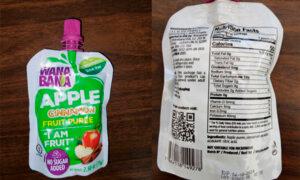
Understanding the Recall Process
Product recalls are used as a way to remove or correct products that pose some type of danger or risk to consumers. Under the FDA, for example, recalls are carried out to protect the public health and well-being from products that could potentially harm or injure the consumer. Recalls can be either voluntary or mandatory. Voluntary recalls are used as an alternative to FDA-initiated court action that would force a company to remove or correct the defective or potentially dangerous product. While a voluntary recall may not remove the product from the market, it forces the manufacturer to issue a public warning and address the defective issue.
Mandatory recalls typically occur with medical devices when the manufacturer fails to voluntarily recall a device that poses a risk or danger to the consumer’s health. In the case of a mandatory recall, the manufacturer most go through the same steps as a voluntary recall but is typically forced to stop distribution of the product as well.
Manufacturers can also initiate a recall independent of the FDA or CPSC if they find their products to be defective.


