The Seed Oil Debate: Separating Fact from Fiction

Ultra-Processed Foods – the Real Culprit
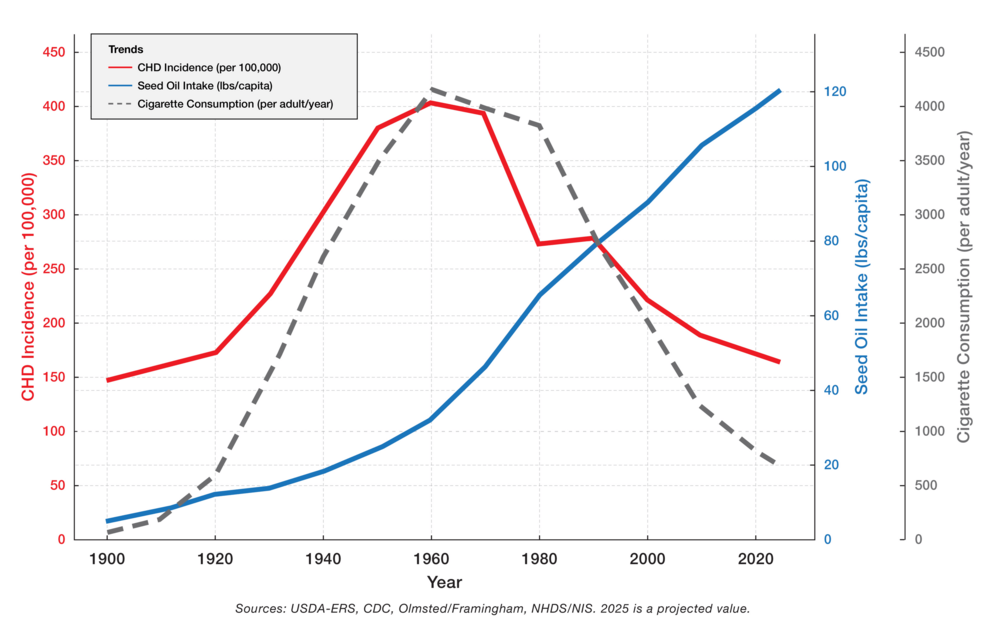
It is true that America has experienced an unprecedented rise in obesity and negative health outcomes in recent decades, a phenomenon that aligns with a sharp increase in the consumption of ultra-processed foods. Seed oils, commonly used in these products, make an easy scapegoat. While seed oils often appear in ultra-processed foods, their inclusion is not what makes those foods unhealthy. Refined sugars, sodium, and chemical additives play a much more significant role.
Blaming seed oils alone distracts from the larger issue of overconsumption and dietary imbalance. Scientific research continues to affirm the health benefits of seed oils when used in moderation, making it clear that they are not the culprit.
While ultra-processed foods should be consumed in moderation, processed food products are not inherently unhealthy, as the prevailing popular opinion today insists. Seed oils undergo processing to achieve a healthy, safe, and tasty final product (but they are not classified as ultra-processed by Nova standards, a classification system adopted to determine the extent of processing of a specific food).
Seed oil production follows a tightly controlled process designed to maximize purity and safety. Most seed oils are extracted using a combination of heat and food-grade solvents such as hexane, a method that enables high oil yield while preserving nutritional value. These oils are then refined to remove impurities and ensure a clean, stable product.
Regulatory bodies such as the FDA and EFSA rigorously monitor this process, and studies consistently show that any trace solvents left behind are well below safety thresholds. Unlike cooking methods that involve repeated high-heat exposure, commercial seed oil processing applies heat briefly and precisely, making it both efficient and safe.
Reducing seed oil consumption or banning seed oils altogether would be disastrous on a global scale. A 2025 scenario published by the World Agricultural Economic and Environmental Services predicted that attempting to hold US vegetable oil consumption flat by increasing olive, peanut, and palm oil consumption to compensate for a seed oil ban would yield a decrease in overall crop cash receipts averaging $3 billion annually from 2026 to 2035. The resulting increase in consumption of imported palm oil creates ethical quandaries as palm oil production is largely detrimental to the environment and local communities because of massive deforestation that occurs to produce it.
For those who still prefer to avoid seed oils, there are excellent alternatives. At Catania Oils, we offer a broad portfolio of seed-free oils such as olive, coconut, palm, and avocado. We also offer mechanically extracted seed oils that are processed without the use of solvents, for customers who are looking for options while retaining the functionality and affordability of seed oils.
While some of these options may come at a higher price point due to the nature of their sourcing and production, we believe in empowering customers with transparent choices. Whether your priority is price, performance, or processing method, we provide options that align with your values.
The Bottom Line
After a lifetime in the edible oils industry working with everything from extra virgin olive oil to refined vegetable oils, I can say with confidence that the criticism of seed oils is not only scientifically unfounded, it’s potentially harmful. Demonizing seed oils distracts from the real dietary challenges we face and risks steering people away from nutritious, accessible foods.
Seed oils are:
- Safe: Backed by decades of research and rigorous regulatory oversight.
- Nutritious: A valuable source of essential unsaturated fats.
- Affordable: An essential, cost-effective choice for families, food manufacturers, and a globally interconnected food system.
Don’t let misinformation drown out the truth. The science is clear: when consumed in moderation as part of a balanced diet, seed oils are a healthy, practical, and responsible choice. Consumers deserve facts — not fear — when making decisions about the food they eat.