Someone Is Destroying Cell Towers in New Zealand
Don’t miss out on our latest stories. Add PCMag as a preferred source on Google.
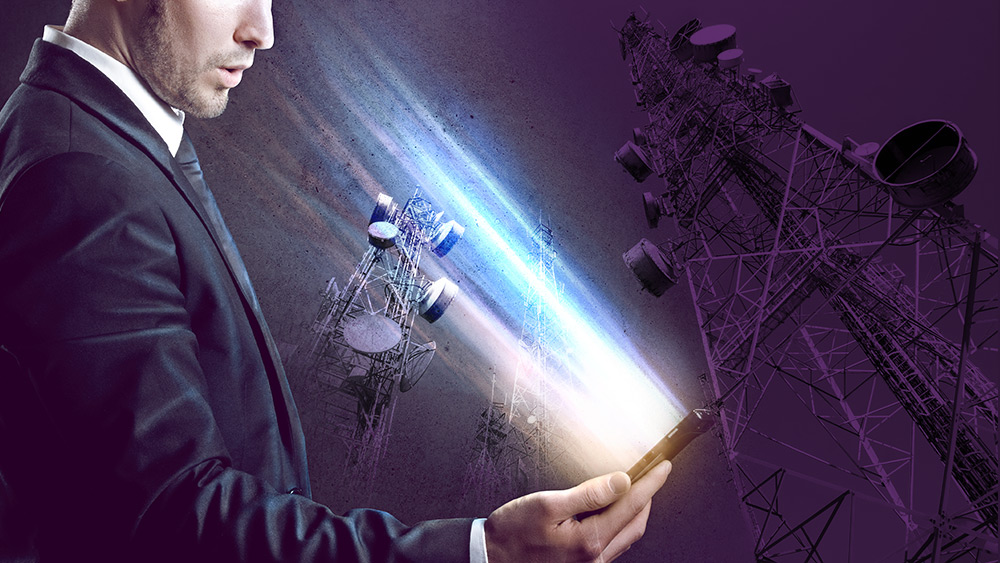
New Zealand is starting to experience a string of attacks on cellphone towers, the latest involving an apparent arson.
On Wednesday, local wireless carrier One New Zealand reported that someone had deliberately set ablaze a cell tower site in the town of Wānaka, home to about 18,000 people. Local media outlets also posted photos, showing what appears to be burn damage to the tower.

“The mobile site in downtown Wānaka has been completely destroyed, and it’ll be at least four weeks before it is rebuilt,” the carrier said. “While other mobile sites in the area are helping to provide coverage for locals, there is degraded coverage, which will cause congestion at peak times.”
One NZ notes that the suspected arson is the second attack on one of the carrier’s cellphone towers; the earlier incident also involved fires that knocked out two other cell towers near Wānaka. Spark New Zealand, a rival carrier, also reported an attempted attack on one of its towers in the town. In addition, another cell tower was found damaged in July, another apparent act of vandalism.
Executives appear worried the attacks are driven by conspiracy theories linking 5G cell towers to health risks, a concern that also sparked similar vandalism against cell sites during the COVID-19 pandemic. “5G technology isn’t putting anyone at risk, but this person is,” One NZ CEO Jason Paris posted on LinkedIn.


CTO Kieran Byrne added on LinkedIn: “And for those prospective arsonists who might believe they are saving the planet from Covid by burning 5G towers, I’d be very happy to have a discussion with you on the limitations of these beliefs.”
One NZ is asking for the public’s assistance in helping law enforcement catch the perpetrator.
About Our Expert

I’ve been a journalist for over 15 years. I got my start as a schools and cities reporter in Kansas City and joined PCMag in 2017, where I cover satellite internet services, cybersecurity, PC hardware, and more. I’m currently based in San Francisco, but previously spent over five years in China, covering the country’s technology sector.
Since 2020, I’ve covered the launch and explosive growth of SpaceX’s Starlink satellite internet service, writing 600+ stories on availability and feature launches, but also the regulatory battles over the expansion of satellite constellations, fights with rival providers like AST SpaceMobile and Amazon, and the effort to expand into satellite-based mobile service. I’ve combed through FCC filings for the latest news and driven to remote corners of California to test Starlink’s cellular service.
I also cover cyber threats, from ransomware gangs to the emergence of AI-based malware. Earlier this year, the FTC forced Avast to pay consumers $16.5 million for secretly harvesting and selling their personal information to third-party clients, as revealed in my joint investigation with Motherboard.
I also cover the PC graphics card market. Pandemic-era shortages led me to camp out in front of a Best Buy to get an RTX 3000. I’m now following how President Trump’s tariffs will affect the industry. I’m always eager to learn more, so please jump in the comments with feedback and send me tips.
-
Considering Starlink? Now Is a Good Time to Try, With $200 Off a Mini Dish
-
Sony’s PlayStation 6 Aims for a Graphics Leap With New Architecture Strategy
-
Facing Backlash, OpenAI Curbs Use of Dead Celebrities’ Likenesses in Sora
-
PC Market Still Flat in US Despite Looming End of Support for Windows 10
-
Starlink Tests Rental-Only Model for Satellite Dishes in This State
-
More from Michael Kan