Bird Flu a Reminder to Put up Safeguards Against ‘Threat of a Future Pandemic’: Professor
‘It is not a matter of ’if‘ but ’when‘ the next pandemic occurs,’ the New Zealand COVID-19 Royal Commission inquiry chair said.
The bird flu situation is reminder the “threat of a future pandemic is real,” according to the chair of New Zealand’s COVID-19 Royal Commission.
“There hasn’t been a recorded case of H5N1 in Aotearoa (New Zealand), and we do have protocols and plans in place to monitor this disease,” the University of Melbourne epidemiologist said.
“This recent development is a timely reminder that the threat of a future pandemic is real. It is not a matter of ‘if’ but ‘when’ the next pandemic occurs.
“It’s vital, from an inquiry perspective, that we have the right systems in place to ensure that any future pandemic, whether it is caused by H5N1 or another virus, can be managed safely and successfully for everyone in Aotearoa New Zealand.”
Dr. Blakely noted H5N1 poses a real risk to native wildlife in New Zealand and has already killed hundreds of millions of birds worldwide.
Related Stories

There have been about 900 reported human cases of H5N1 bird flu and nearly 500 deaths since 2003.
Nearly all known cases have been transmitted straight from birds to humans.
“Fortunately, human-to-human spread of H5N1 is incredibly rare and to our knowledge only occurs with intense close contact (e.g. caring for a severely unwell patient),” Dr. Blakely said.
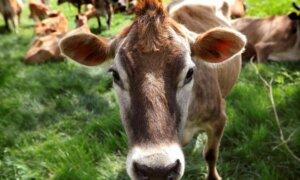
“Airborne human-to-human transmission in a manner similar to COVID-19 or seasonal influenza has not been documented. However, we have recently seen a rise in cases in other mammals, and we have also seen mammals, particularly cows, spreading it to each other.”
The professor said the COVID inquiry continues to hold engagements to ensure they have a complete picture of the COVID-19 response.
The goal is to make sure New Zealand is “as prepared as possible for a future pandemic,” Dr. Blakely said.
Meanwhile, Sanjaya Senanayake, lecturer at Australian National University’s medical school, claimed the next pandemic could be just around the corner and bird flu is a “likely candidate.”
Dr. Senanayake made these comments on May 23 after the first Australian case of human bird flu H5N1 was announced.
“Unlike the early days of COVID, at least with H5N1, there are already human vaccines and antivirals.”
Bird Flu Spreads From Chickens to Ducks
Meanwhile, bird flu has been detected at a sixth farm in Victoria, Australia, that was already placed into quarantine.
The virus has now spread to ducks.
The highly pathogenic H7N3 strain was identified via testing at a commercial duck farm within a restricted area within the Golden Plains Shire, Victoria.
Agriculture Victoria said consumers do not need to be concerned about egg and duck meat products.
“They do not pose a risk and are safe to consume. Victoria has a secure supply chain including the importation of eggs from interstate so the current outbreak has not significantly affected supplies,” Agriculture Victoria said.
Victorian Chief Veterinary Officer Graeme Cooke said it is a difficult time for all farmers and the government is making sure mental health support is available.
“‘Agriculture Victoria is working with affected producers and the wider industry to maintain business continuity while minimising risk of disease spread,” he said.
“We have established restricted and control Areas in proximity to existing IPs which has assisted us in limiting the spread and quickly detecting the sixth IP through comprehensive surveillance activities.”
Back on June 7, Agriculture Victoria advised that a fifth Victorian poultry farm had been placed in “quarantine” after bird flu was confirmed.
Tests identified the high pathogenicity H7N3 strain at the property in the Golden Plains Shire of Victoria.
H7N3 has also been identified at three other farms, while another strain of influenza H7N9 was identified in May.