Linoleic Acid In Seed Oils May Help Prevent Cardiovascular Problems: Johns Hopkins Nutrition Scientists Explain
Researchers explain that seed oils get a bad rap because they are often blamed for the negative effects of ultraprocessed foods that they are prevalent in.
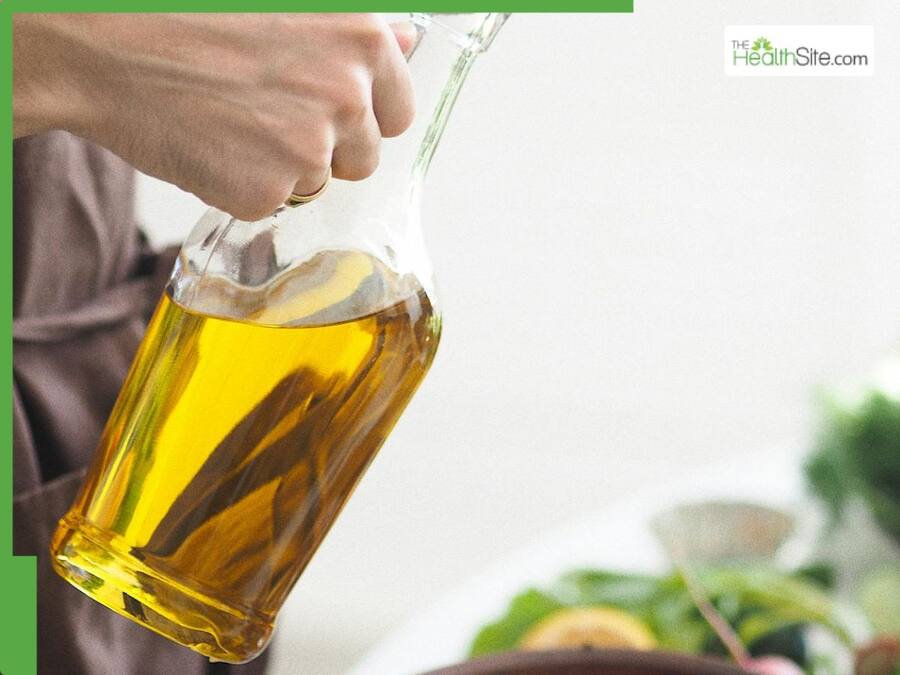
Seed oils are often regarded as toxic, which may cause several diseases connected to cardiovascular problems. In previous studies, many experts have also influenced people into thinking that seed oils are the root cause of issues like acne, weight gain, cancer and infertility. But how far is it true?
According to Johns Hopkins nutrition scientists, the reality is that, in moderation, seed oils can be part of a healthy diet. In an Instagram post shared on June 18, nutrition scientists stressed that some wellness influencers warn against consuming seed oils, blaming them for a range of health problems and characterizing them as toxic. However, scientific studies consistently show otherwise.
Seed Oils Get A Bad Rap For Their Negative Effects
Researchers explain that seed oils get a bad rap because they are often blamed for the negative effects of ultraprocessed foods that they are prevalent in. The post explained, “Ultraprocessed foods are industrially manufactured products that contain little to no whole foods. Many ultraprocessed foods contain seed oils since they are low-cost. But it’s not because of seed oils that these foods are unhealthy.”
Also Read
It further claimed that “most ultraprocessed foods are usually high in sodium, added sugars, unhealthy fats, and additives that, in high levels of consumption, can contribute to chronic diseases like diabetes, heart disease, and high blood pressure.”
Linoleic Acid In Seed Oils May Prevent Health Problems
The Instagram post, which referred to a study published by the Johns Hopkins Bloomberg School of Public Health, further explained that linoleic acid, found in many seed oils, is rich in polyunsaturated fatty acids that humans can’t produce on their own. Hence, it is crucial to add seed oils to your diet moderately.
A 2019 study published by the National Institute of Health (NIH) titled “Biomarkers of Dietary Omega-6 Fatty Acids and Incident Cardiovascular Disease and Mortality” outlines how linoleic acid in one’s blood can lower the risk of cardiovascular diseases and can even lower blood pressure.
The NIH study explains, “In pooled global analyses, higher in vivo circulating and tissue levels of linoleic acid (LA) and possibly arachidonic acid (AA) were associated with lower risk of major cardiovascular events. These results support a favourable role for LA in CVD prevention.”
Key Highlights
- Seed oils are rich in linoleic acid
- Linoleic acid may improve glucose metabolism
- Consuming seed oils moderately can prevent diseases such as:
- Type 2 diabetes
- Reduce bad cholesterol (LDL cholesterol)
- increase good cholesterol (HDL cholesterol)
Seeds Oils May Help Reduce Inflammation
The Johns Hopkins nutrition scientists also claim that seed oils do not cause inflammation. It states, “The omega-6 fatty acids found in seed oils have been blamed for causing inflammation. Evidence shows that omega-6s, particularly linoleic acid, do not cause inflammation and may even help reduce it.”
Researchers conclude that seed oils can be a part of healthy and unhealthy diets. Nutrition scientist Matti Murklund suggests that instead of cutting out all foods that contain seed oils. He recommends “eating less ultraprocessed food and more whole foods, fruits and vegetables, and then using seed oils together with those.”
TRENDING NOW
Follow TheHealthSite.com for all the latest health news and developments from around the world.
FAQs
How Long Does Seed Oils Remain In Your Body System?
Seed oils may remain in your body for up to six years.
How Much LA Is Required In The Human Diet?
An individual requires 2% of Linoleic Acid (LA) of the total daily calorie intake in humans to ensure sufficiency.
Potential Health Risks Of Seed Oils?
Overconsumption of seed oils may lead to inflammation due to high levels of omega-6 fats.
How Are Seed Oils Produced?
Seed oils are chemically processed, which include cleaning, pressing, bleaching, deodorizing, refining and, in some cases, adding a chemical solvent hexane for oil extraction.

Don’t Miss Out on the Latest Updates.
Subscribe to Our Newsletter Today!