Seed oil alternatives see market surge
Sales of products carrying the Seed Oil Free Certified® label grew 410% in the first quarter of 2025, signaling a massive market opportunity for brands and retailers. With 28% of U.S. consumers now actively avoiding seed oils, brands and retailers are seeing substantial returns—SPINS data reveals 124% growth in natural channels and 225% growth in conventional retail compared to the same period last year.
This growth reflects consumers’ mounting scrutiny of seed oils—plant-based oils derived from corn, sunflower, soybean and other seeds—creating an urgent need for brands to identify suitable alternatives and communicate those choices clearly on packaging.
The Seed Oil Free Alliance was created in 2023 to raise awareness, improve transparency and educate consumers about the prevalence of seed oils in America’s food supply. Its Seed Oil Free Certified® seal, already appearing on more than 50 brands sold at nationwide retailers, requires third-party lab testing and auditing to verify that products meet its rigorous standards for seed oil avoidance.
“Seed Oil Free Certification was created to empower consumers by easily identifying products made without seed oils with certainty,” says Jonathan Rubin, CEO & founder of the Seed Oil Free Alliance. “We needed a formal certification that tests all of the added oils and fats for purity, which is extremely important when there’s a huge increase in companies creating products claiming to be seed oil-free.”
Consumer concerns drive seed oil avoidance
Consumers’ top issue with seed oils is their high omega-6 content, particularly a polyunsaturated fat called linoleic acid. In moderation, it can support cholesterol balance and heart health. However, when omega-6 intake outweighs that of omega-3, systemic inflammation can result, increasing the risk of conditions like arthritis, heart disease and type 2 diabetes.
The Cleveland Clinic says the ideal dietary ratio of omega-6s to omega-3s is 2:1 or even 1:1, but most Americans consume closer to 10:1 or 20:1. So while seed oils—a major source of omega-6 fats in the American diet—aren’t inherently harmful, overconsumption has many consumers looking to cut back in pursuit of a healthier balance.
The heavy processing required to produce seed oils also clashes with the clean label movement. While the seeds themselves are naturally rich in vitamins and minerals, refining can involve pressing, bleaching and the use of the chemical solvent hexane during extraction. At best, this process strips away valuable nutrients; at worst, it introduces compounds consumers view as potentially harmful.
Seed Oil Free Certified® products contain no artificially hydrogenated oils (partially or fully), modified oils such as interesterified oils, or seed-derived lecithins such as from canola, sunflower or soybean. For brands, the certification provides instant credibility; for consumers, it offers a clear signal that a product meets the highest clean-label standards and rising demand for seed oil-free alternatives.
“This is a consumer-driven health movement, and we’re empowering consumer choice because of how difficult it can be to avoid seed oils,” Rubin adds. “It’s also a statement of purity, because seed oils happen to be the most common adulterant in premium oils.”
A functional, affordable alternative to seed oils
While avocado and olive oils have secured their places as premium alternatives, other affordable and mainstream options are also rising to the forefront. For makers of snacks and baked goods, particularly, American palm oil has emerged as an attractive alternative.
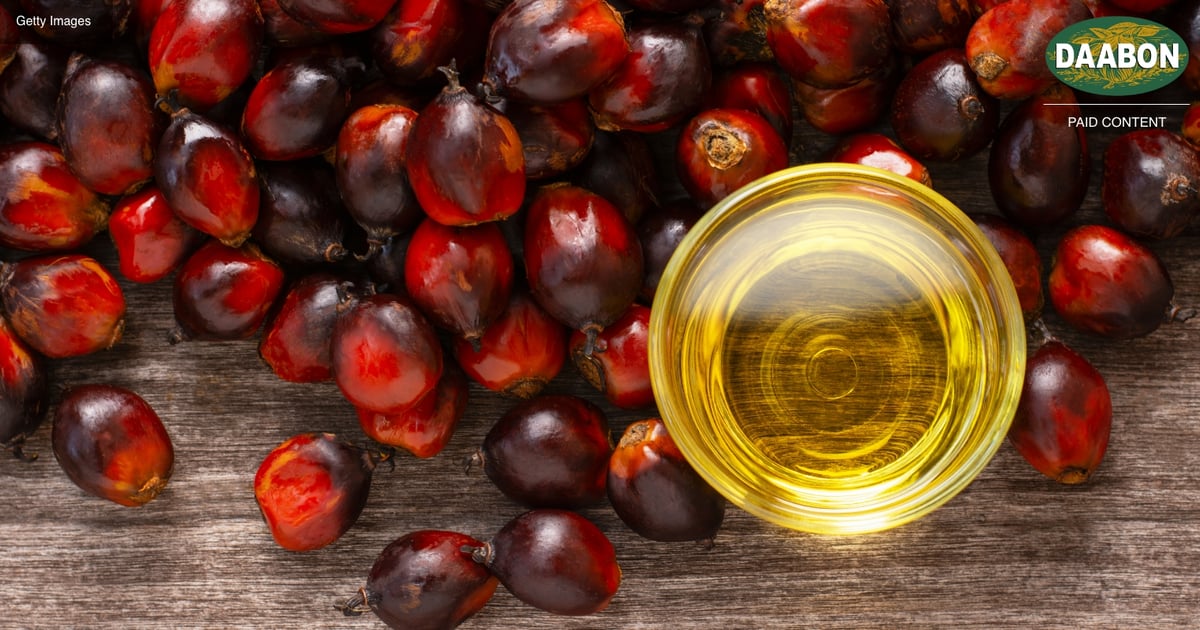
Derived from the fruit of a newly hybridized tree—a natural, non-GMO cross between African palm (Elaeis guineensis) and a native Latin American palm—American palm oil is less expensive than avocado or extra virgin olive oil. Plus, it combines consumer-friendly attributes like non-GMO, sustainability and clean label with the functional benefits manufacturers need.
American palm oil’s superior oxidative stability delivers quantifiable benefits for both manufacturers and end consumers. With a significantly lower level of polyunsaturated fat than common seed oils, palm oil maintains integrity during high-temperature processing. This stability translates to extended fry life, reduced oil replacement costs and consistent product quality that directly impacts bottom-line profitability.
For consumers, it means fewer harmful byproducts. “When seed oils degrade, they form a variety of by-products such as aldehydes and epoxides—compounds linked to oxidative stress, inflammation and chronic health issues such as cardiovascular disease,” says Rick Cummisford, technical sales expert in the Daabon USA team. “Palm oil produces far fewer of these under the same conditions.” As an added bonus, this stability translates to a neutral flavor, he adds.
Nutritionally, American palm oil is lower in saturated fat than standard palm oil or coconut oil, and delivers a balanced fatty acid profile, containing more than 50% oleic acid, 33% saturated fatty acids and just 12% polyunsaturated fatty acids. Unlike seed oils, American palm oil doesn’t require partial hydrogenation to achieve functionality and reaches solidity naturally, eliminating the risk of industrial trans-fat production.
The oil also checks many of the clean label boxes demanded by today’s consumers. In addition to being naturally non-GMO, free of trans fats and non-hydrogenated, it’s also free from common allergens like peanuts, soy and coconut. Plus, it’s inherently stable at high temperatures and on the shelf, so there’s no need for synthetic additives.
Supply chain and sourcing advantages
Another benefit of American palm oil is its uniquely stable supply chain. Unlike soy, canola or sunflower (typically harvested just once annually), American palm thrives in local growing conditions and proves more resilient to climate shifts, pests and disease, enabling consistent harvests throughout the year. Once sourced, American palm oil is also highly shelf stable, giving brands even more confidence in secure supply.
Seed oils often come with a steep environmental cost, as monocropping requires significant land, water and pesticides. Soy, for example, consumes 39% of oil crop land while supplying only 26% of output, contributing to a dynamic that fuels deforestation in South America.
In contrast, palm oil delivers 36% of the world’s vegetable oil using just 9% of total oil crop land. American palm farms can also remain productive for three decades or more without disruptive tilling or replanting, which helps preserve soil health, retain moisture, replenish nutrients and reduce land pressure.
Daabon’s integrated certification solutions
A fourth-generation family-owned sustainable palm oil producer, Daabon USA offers a line of palm oil ingredients that is Seed Oil Free Certified® and vertically integrated, carrying multiple additional certifications: Regenerative Organic (Gold level), which requires advanced soil health and biodiversity practices; Fair Trade, which guarantees fair wages and community reinvestment; RSPO, which sets global benchmarks for sustainable palm; and Non-GMO Project Verified, which reinforces consumer trust.
“Certification provides independent verification that all Seed Oil Free Certified® oils are pure, which supports labeling integrity, regulatory compliance and brand reputation,” says Rubin. “Manufacturers will find that American palm oil is not only a suitable alternative for seed oils, but that it can outperform seed oils at nearly every juncture.”
Despite its benefits, palm oil has faced criticism in the market due to its links with deforestation. That’s why it’s critical for brands to choose a palm oil producer dedicated to sustainable practices like Daabon USA, a pioneering leader in organic ingredient production since 1914.
“Daabon is dedicated to health and wellness, not just for customers but for the planet,” says Cummisford. “Seed oil-free claims typically focus on benefits for human consumption, but the truth is that these claims are also healthy for the earth because they are cultivated and manufactured in a sustainable and climate-friendly manner. We see it as the future for what ingredients and products can be.”