Child Vaccine Experts Urge Caution with ‘Anti-Vax’ Label

Dr. Paul Offit, Dr. Alok Patel, Dr. Mona Amin and Politico health reporter Lauren Gardner discuss the CDC ACIP decision on child vaccines.
Program Date: Dec. 11, 2025
The year is ending with shockwaves for those invested in children’s health. The Washington Post reported this week that the Department of Health & Human Services terminated millions of dollars’ worth of grants to the American Academy of Pediatrics, and earlier this month the CDC Advisory Committee on Immunization Practices (ACIP) changed the child vaccine schedule to delay the hepatitis B vaccine.
“This is a major step back for children and for public health,” said Dr. Paul Offit, director of the Vaccine Education Center at the Children’s Hospital of Philadelphia, a voting member of the FDA’s Vaccine Advisory Committee and a former member of ACIP.
[embedded content]
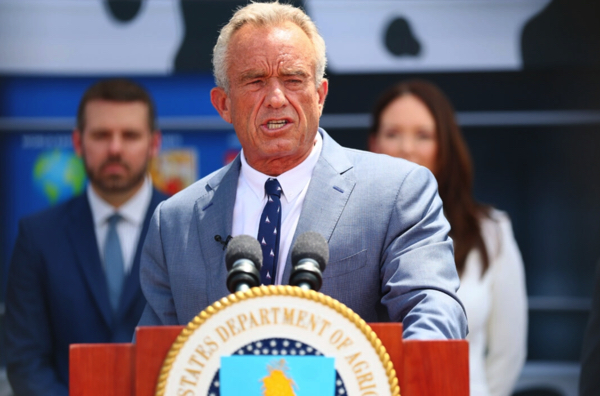
ACIP, whose members had been replaced by HHS Secretary Robert F. Kennedy Jr. earlier this year, changed the universal birth dose standard that had been in place since 1991. The AAP and American Medical Association both came out against the change, and the AAP had also diverged from the FDA’s COVID vaccine recommendations earlier this year.
“This is going to have a huge trickle effect, not only for the confusion amongst parents, but also for how healthcare providers are going to be able to practice medicine given the fact that we’re now going to have to have these longer conversations,” said Dr. Mona Amin of PedsDocTalk.
Combatting vaccine misinformation, hesitancy
Confusion now is spurred not by a new outbreak, like COVID, or new scientific evidence but rather misinformation, experts said. And misinformation has proven challenging to debunk for doctors and journalists alike.
“The first step that I personally take … is I try to listen first and figure out where exactly the misinformation is stemming from,” Dr. Alok Patel, a pediatric hospitalist and clinical associate professor at Stanford Medicine, said of talking with parents. “One big disservice I think that we have done … is labeling vaccine-hesitant parents with anti-vaccine. There is a scientific process of being skeptical about asking questions, and if parents do that, I try not to put them into this bucket of anti-vaccine.”
Amin takes a similar approach in her practice.
“I found that by meeting with compassion, answering their questions, giving the facts … they trust it, and it’s just really eye-to-eye conversation and meeting them where their heart lands,” Amin said. It backfires, she said, if doctors take the opposite approach, such as: “OK, well, you’re an anti-vaxxer, you’re not listening.’ And then they dismiss or they leave. And that is not what is getting people to actually vaccinate.”
After listening, Patel often finds himself in the position of explaining stories vs. statistics.
“People tend to look at this one little cherry-picked story and use that to kind of cast this wide net,” Patel said. “All of a sudden this one emotional anecdote has taken over the airwaves and it’s getting shared on social media.”
It’s an issue Politico health policy reporter Lauren Gardner has identified as well.
“There’s a broader push by the public, particularly on social media, to invoke these sort of anecdotes that don’t necessarily have data to back them up, but are being cited by people as reasons to be more skeptical of vaccines,” Gardner said. “There is a reason why this stuff is gaining traction, and a lot of it is because it kind of catches fire on social media.”
Trust and Sourcing
It’s a reminder to verify your sources, which may mean going beyond tradition.
“We can’t trust the ACIP anymore. We can’t trust the CDC anymore,” Offit said. “What’s happened is other groups have stood up. In the case of childhood vaccines, the American Academy of Pediatrics stood up and have their immunization schedule and they’ve worked with insurance companies to make sure that insurers will cover those based on best medical practices based on best information. We’re in a flux period where what we normally look to for advice, now you can’t look to for advice. So you’re finding these professionals, either medical or scientific societies that states are standing up and creating their own expert advisory panels, so we’re in this kind of middle ground.”
For journalists, it makes the job even more challenging and source-building even more important.
“It seems like a fire hose of information is kind of being directed at us, frankly, every single day. … I have a history of covering those committee meetings, going back to the pandemic, so I’m pretty well versed in how they traditionally went compared to how they go now,” Gardner said of ACIP. “If I feel like I need to widen the bench of sources if I’m going to figure out what the heck is going on, I might go back to former members … I also have a roster of lawyers that I go to who specialize in federal and state vaccine laws as well, whether it’s FDA or CDC agency processes.”
To close the National Press Foundation’s “Making Sense of the Childhood Vaccine Schedule” Webinar, experts shared what they thought are undercovered stories.
Story ideas:
- Follow the money: Who is financially benefitting from the anti-vaccine movement?
- The undercount of current measles cases.
- Explaining why comparing countries (i.e. Denmark) is not apples to apples because of differences in health systems, population, etc.
- The potential economic effect of removing vaccine mandates on the education system and workforce.
- What vaccine may be targeted next?
- With states and professional organizations creating their own expert committees and recommendations, will they coordinate to provide a consistent message or will it lead to a patchwork effect?
- What will doctors do when state laws conflict with the established standard of care?
- Where are parents turning if not to the CDC?
Access the full transcript.
This webinar is sponsored by Vaccinate Your Family. NPF is solely responsible for its content.