How one man’s belief in ancient aliens shaped our nasty, post-truth world
The internet and social media are full of lies. Why? The truth is often boring and sometimes discomfiting. Lies are better, more interesting, more apt to comfort the fearful.
Some fields of study attract lies more easily than others. Medicine is easy and profitable to lie about – not least because almost everyone is afraid of illness and death. So many medical problems feel intractable, almost unaddressed, while modern science seems so slow. And science’s emissaries seem so smug and, in consequence, untrustworthy.
Lying about religion can have a similar effect. The same with lying about war and politics. You can get very famous and very rich by spreading fanciful notions about these topics. World War Three is always breaking out – at least on TikTok.
Advertisement
Advertisement
All of this is obvious and makes sense. But I’d put another subject in this group. If you’ve not encountered it, it may come as a surprise. A lot of social media is full of blatant falsehoods on archaeology and ancient history.
If you’ve ever had a passing interest in archaeology, you will have seen examples of this. Some of the most famous are widely known. The idea, for example, that all the pyramids in Egypt are connected, part of some immense underground structure left behind by a god-like race that has perished from the earth.

The idea that the pyramids were connected by an underground structure left behind by a race of gods is popular in some quarters – Anton Petrus
Stories about electrical batteries being found from 5,000 years ago. Which means that humanity must have experienced something even more technologically developed than today as far back as before the birth of Christ, and our understanding of all history must be rewritten. All of this, by the way, is being hidden away from you. And, of course, aliens.
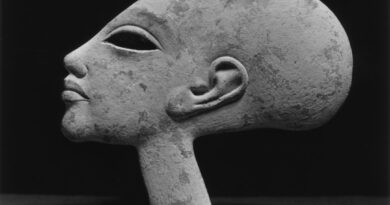
For the ancient aliens connection – he didn’t invent it, but he made it popular – we must credit Erich von Däniken. The Swiss archaeologist, who died last week aged 90, was likely the 20th century’s most-read author on the subject of our ancient past. But what he wrote was not true. Däniken’s books, most famously Chariot of the Gods, sold many millions with a cocktail of occultism and alien talk.
Advertisement
Advertisement
There were gods in the past who lived on earth, he said. And in addition to this, they were spacemen. The first book of his was published in 1969, a time of space fever, when the new age and hippie movements were gaining ground.
Däniken probably never printed a true word in his life. But I don’t dislike or despise him. His books sold millions of copies by giving people what they wanted; he was a novelist or a spiritualist dressed in archaeologist’s clothes. You’re allowed to sell fiction in the guise of fact.
But Däniken was the progenitor of nastier things that came after him. The biggest social media accounts covering archaeology inevitably traffic in nonsense and lies. Some of the most-listened-to podcasts and the biggest documentaries inevitably talk about ancient aliens or defame real archaeologists as malign fraudsters engaged in a massive cover-up.
Däniken’s work was an example of the partly-alien, partly-spiritual nonsense that permeates a lot of popular culture if you peel away its polished surfaces.
Advertisement
Advertisement
Many people make millions on the podcast circuit or on social media by saying nothing more than archaeology and medicine are fake; and by the way, shadowy figures, paedophiles or satanists run the world.
More in Lifestyle
Däniken showed the shape of media to come. Nowadays, almost all discussion of archaeology on social media is swamped in insane theories, lies and AI slop. Just as discussion of politics and medicine and technology already is or soon will be. Archaeology led where everything else surely followed.