Drs. Dunning and Kruger and 300 Million More Health Experts
In a class I recently taught about U.S. Health Care Policy & Politics, I asked the students how many health policy experts there are in the United States. Amidst a field of befuddled faces, one student said “300 million.” That is basically the right answer because virtually everyone who has been ill or seen a clinician for a checkup or physical believes they understand the U.S. health care system’s problems and know how to fix them.[i]
This illustrates what is sometimes called the Dunning-Kruger Effect (DKE)[ii], in which, for example, someone with some knowledge of a subject believes they know more than people who’ve studied (or worked in) a field for many decades.
Drs. Dunning and Kruger
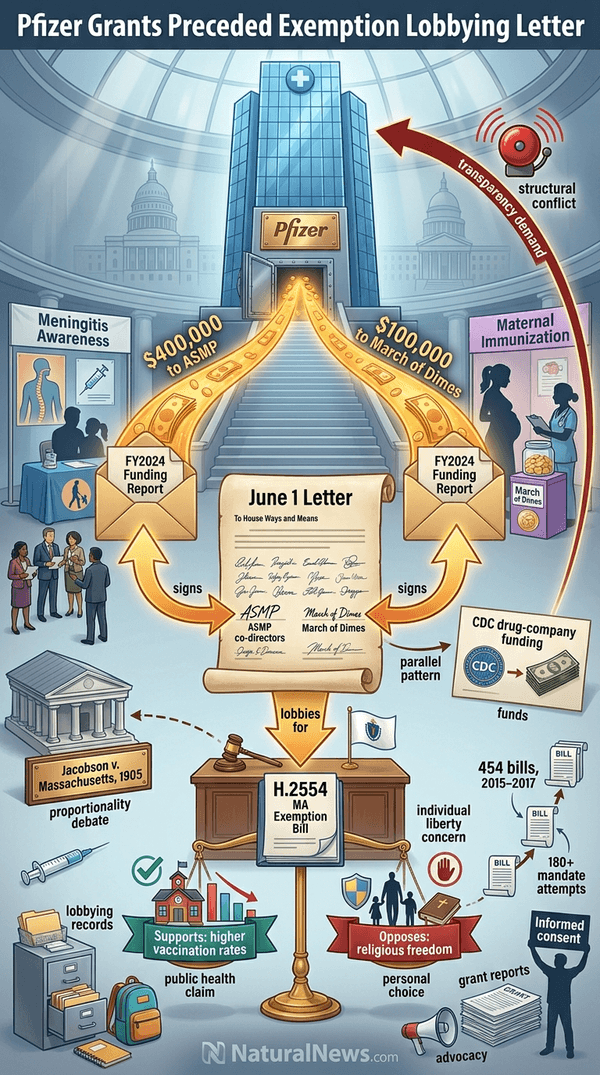
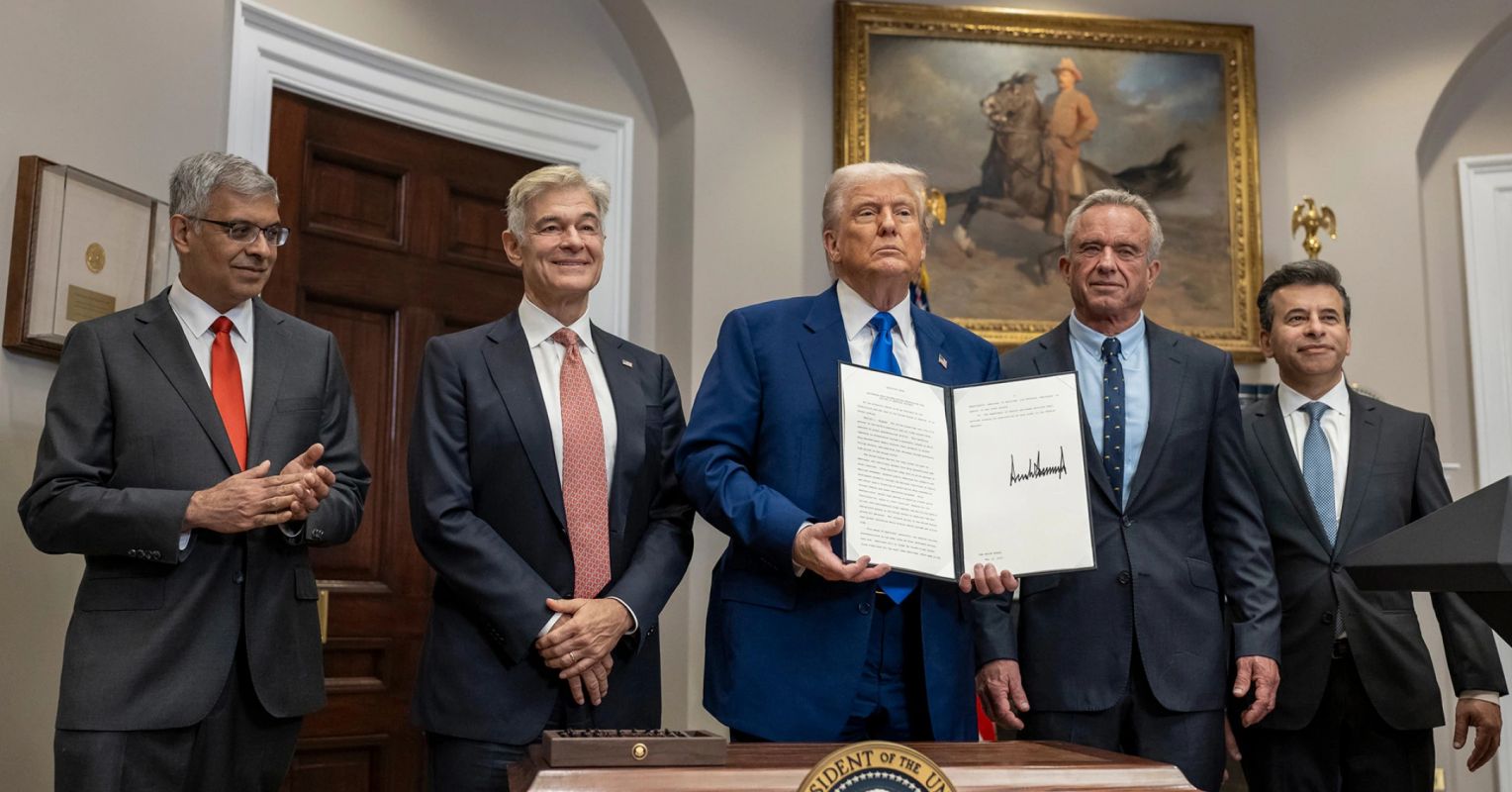
We are now in situation where health misinformation is being promoted by people who have significant public platforms for spreading fallacies, which could be dangerous to the health of individuals, communities, and countries. For example, during and since the COVID-19 pandemic, public figures have repeatedly asserted substantial knowledge and understanding of vaccines while criticizing many actual experts. This resulted in lower vaccine confidence and reinforced many people’s belief in misinformation. Interestingly, in the fall of 2025, many people who had (incorrectly) come to believe that vaccines were a primary cause of autism were confounded (if not distraught) when the U.S. government announced that acetaminophen was a cause of autism without also mentioning vaccines.[iii]
People exhibiting the Dunning-Kruger Effect also often do not understand (or appreciate, or recognize) the difference between associations (or correlations) and causations. An extreme example of that fallacy would be that using sunscreen causes shark attacks. (Both increase during warmer weather, but it does not mean that sunscreens attract sharks.) In contrast, an actual cause-and-effect relationship is that decreased rates of children receiving MMR vaccinations caused an increased number of measles infections.
Identifying False Experts
As individuals and society strive to reduce the ill effects of health misinformation, one key for assessing someone’s actual expertise is to determine if they have a background that would actually give them deep knowledge of the topic. A second key – or clue – that may identify someone who is a “Dr. DKE” is if they also denigrate and dismiss others who do have deep subject-matter backgrounds, for example by calling them “so-called experts.”
When you look at many misinformation spreaders who believe they are experts, they are usually highly selective in choosing the information they share about a complex situation. Importantly, they reject information contrary to what they already believe, which is known as confirmation bias.
Thus, two other clues for assessing the validity of health information from people who profess to be experts are: Do they describe something as evidence of causation when it is only an association or a correlation? And do they dismiss information that conflicts with their stated “expert” insights?[iv]
What to Do About Drs. Dunning and Kruger?
The first step in defusing false information[v] is to recognize it – as discussed above. The next step is to create some cognitive dissonance so that a misinformed person questions their belief in the falsehood.
Clinicians are likely too busy to have extended conversations with misinformed patients, but one shortcut they can try with someone resistant to get a recommended vaccine is to ask “Who would you get vaccinated for?” This direct question might create cognitive dissonance since it challenges the patient to ask themselves who they love enough to question their belief in vaccine misinformation. (A similar question could be asked of a patient who is refusing to take a medicine for a chronic illness like diabetes or high blood pressure. The difference being that with a vaccine the patient might be indirectly protecting a loved one from getting sick, but with those conditions they would be primarily trying to avoid their own death or disability which could burden their child, spouse, or parent.)
As for reducing the influence of misinformation in the public sphere, whether it be on social media or elsewhere, that requires different approaches. One option is to vote with your media choices, since many of those outlets and platforms make their money based upon their numbers of viewers, readers and listeners, or clicks, like and shares. Another avenue is to become more involved with your neighbors and community since it seems that communities with stronger interpersonal ties are more immune to misinformation.[vi]
Conclusions
People who believe they are experts in a field even though they only know a small amount about the topic are exhibiting the Dunning-Kruger Effect. Those people may resist considering any information that conflicts with their belief in their own expertise. Such people can spread false information about important health matters, such as vaccines, which can lead to health problems for individuals, communities, and countries.
There are four clues to identifying such false experts:
- They don’t have the background or experience to be an expert.
- They denigrate people who do have extensive experience as “so-called experts.”
- Their explanations of complex matters relies on cherry-picking data points, and to “identify” associations or correlations, which they may incorrectly describe as evidence of causation.
- They dismiss any information that is contrary to their false beliefs, sometimes with dismissive statements such as “you’re just trying to confuse things.”
Reducing the influence of misinformation requires generating cognitive dissonance. Doing this with individuals can be complicated, as I’ve written elsewhere, and in my book Reversing Misinformation, but it can be done. Resistance to misinformation can also be increased with stronger community connections so that falsehoods that come from the outside (e.g., from social media) are less likely to find a susceptible host.