How Hantavirus Misinformation Spreads Faster Than Doctors Can Catch It
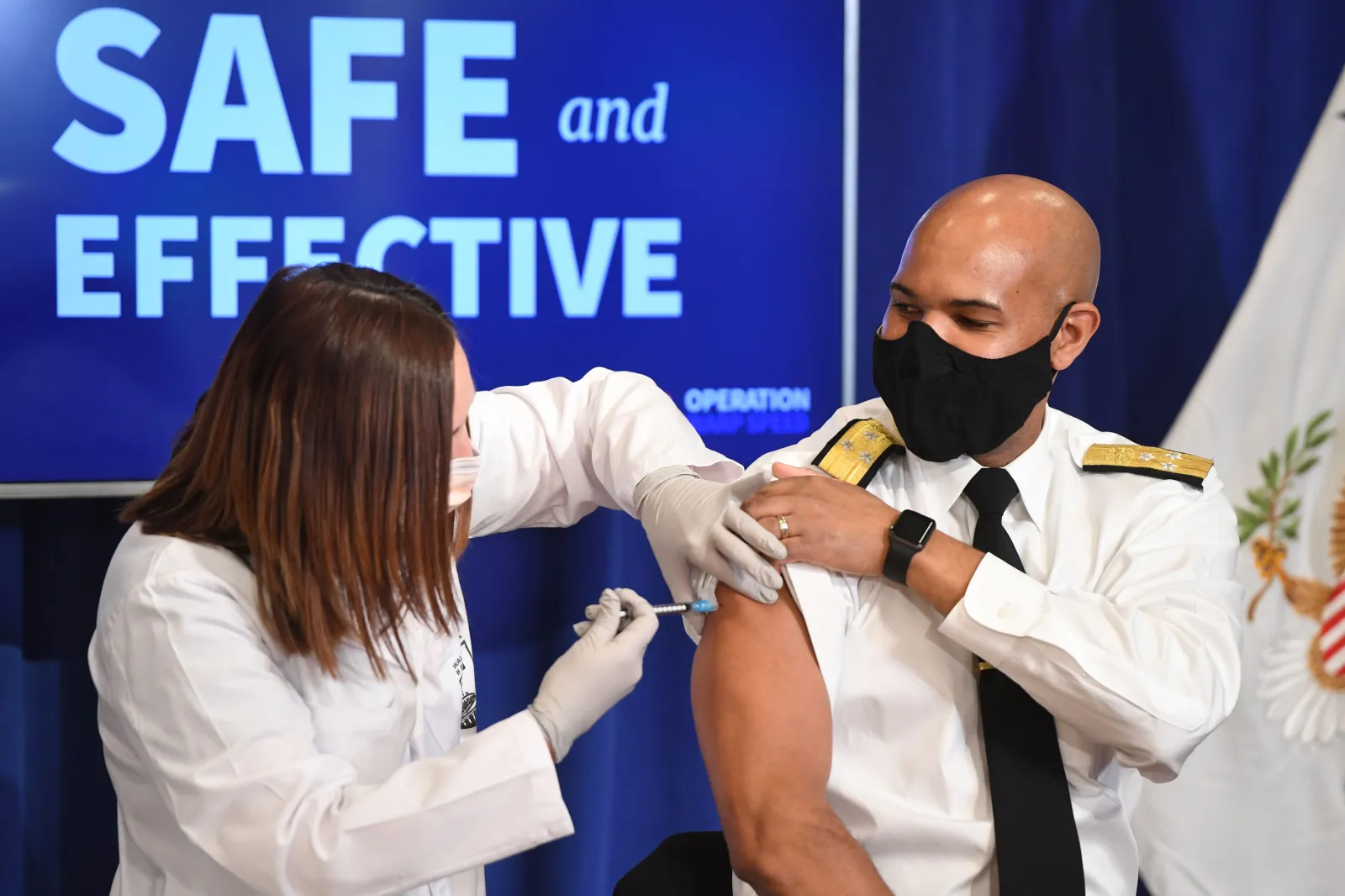
In early 2020, Dr. Jerome Adams was about to face one of the toughest challenges in his career, as COVID-19 began spreading across the world during his tenure as surgeon general of the US.
Six years later, as a different virus dominates the headlines, Adams and fellow medical experts are still determined to make an impact—but this time in a different way.
A deadly hantavirus outbreak linked to a cruise ship in which several passengers died, and others have been evacuated for treatment after falling ill, has seen authorities work to contain further infections.
But hantavirus is very different to COVID-19. While it has a higher mortality rate, current guidelines highlight it is far less transmissible, meaning the risk of a pandemic is not akin to what we saw in 2020.
Still, the news has seen anxiety spike, with many people sharing panic-inducing fears, unfounded theories, and misinterpretations on social media.
Adams and other doctors told Newsweek they are determined to fight what they perceive to be the real danger to the masses: health misinformation.
‘A Whole Ecosystem of Disinformation’
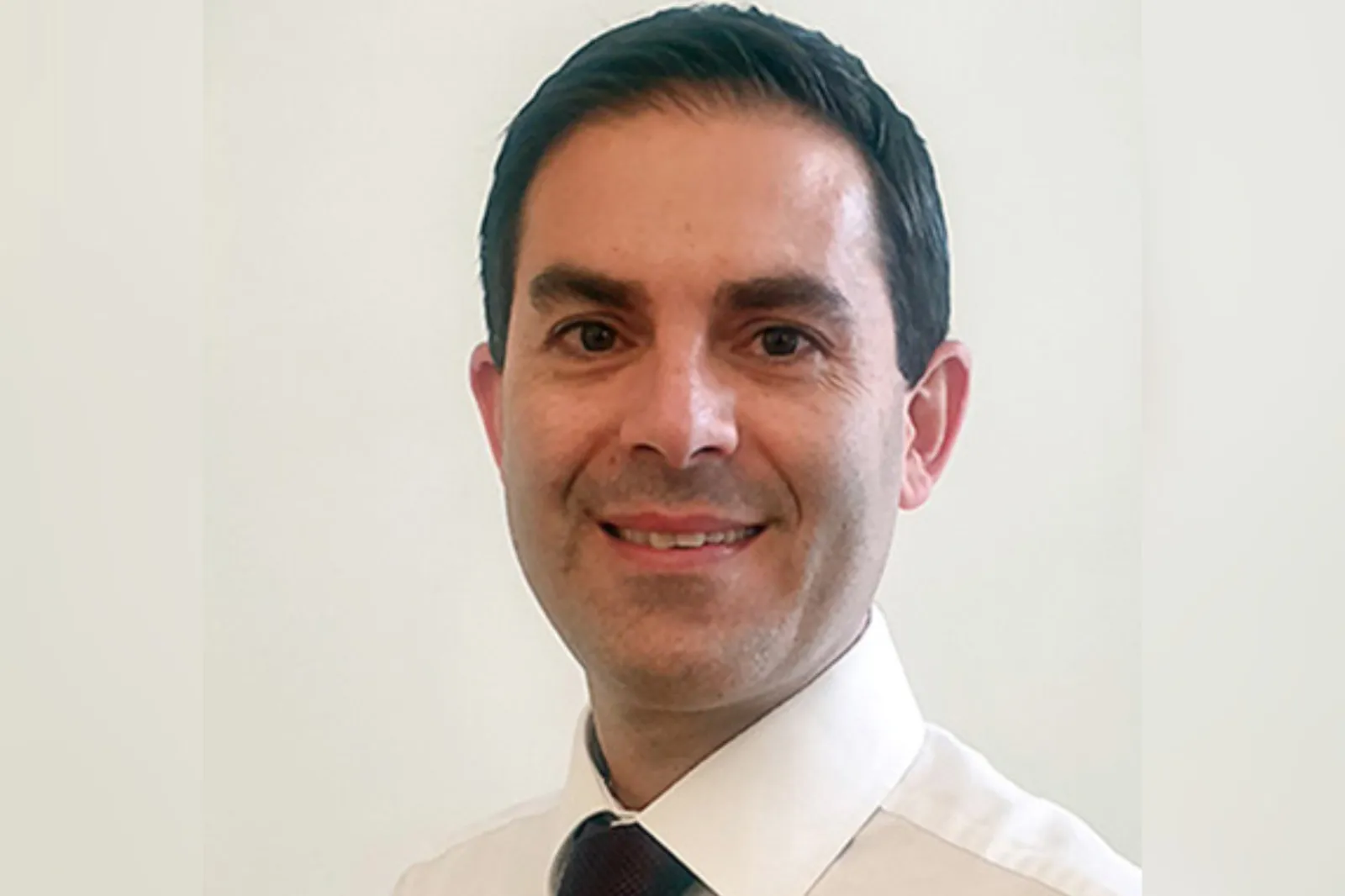
Dr. Neil Stone, 45, is a consultant in infectious diseases and microbiology at the Hospital for Tropical Diseases at University College Hospital in London, England. In his spare time, you can find him on his X account, @DrNeilStone, calling out the “nonsense” he sees posted as health facts.
“A whole ecosystem of disinformation and misinformation arose during the pandemic and is now being transferred to hantavirus,” he told Newsweek, but thanks to his career and social media reach, he is “in a position to correct some of the false information that circulates.”
Mark Shrime, a physician with a master’s in public health and PhD in health policy, told Newsweek that “medical anxiety during what feels like the start of another pandemic is very common, and very understandable, especially since so many people were traumatized by the last one.”
Stone also believes that a “collective PTSD” following the COVID-19 pandemic is in part to blame for people mistakenly spreading—and falling for—falsehoods.
But some posts he corrects have nefarious motives too, he thinks.
“They usually have an agenda,” Stone said. “Whether political, ideological, financial, attention seeking, or simply mischief making. I try where I can to push back against some of the most egregious falsehoods that can quickly gather steam online.”
Dr Deborah Cohen, journalist and author of Bad Influence: How the Internet Hijacked Our Health, says the “explosion of hantavirus misinformation” is a “continuation of patterns we saw during the pandemic.”
They highlighted posts spreading unfounded claims about vaccines or hoaxes, or promoting so-called cures for the virus that have no basis in science.
On X, there may be more incentive as of 2023 to spread misinformation likely to gain traction, as that’s when the platform began offering payments to accounts with lots of reach and engagement
A 2024 BBC investigation found that X accounts were making money out of AI images and misinformation around the U.S. election.
Newsweek has seen posts containing misinformation and misconceptions about the hantavirus—as well as accounts dispelling the myths—on Meta-owned Threads as well as X. Both platforms feature a “community notes” functionality that crowdsources corrections and context on misleading information, which has been applied to posts about the hantavirus.
Newsweek has reached out to X and Meta for comment via email.
There is growing concern around medical misinformation spreading online. In 2025, the British Medical Journal published a call from experts for “coordinated action by governments and platforms to protect the public” from harmful medical advice from social media influencers with a lack of expertise and potential vested interests and bias.
“Social media moves faster than any virus, and once a false narrative takes hold it’s very hard to dislodge,” Adams told Newsweek. “My goal is always to tell people what we actually know right now, what we don’t know yet, and what the evidence supports, without exaggeration in either direction.”
Shrime agreed, saying misinformation was “rampant” in the first 48 hours after the cruise story broke alone, as social media saw theories spread that were “blatantly false and easily disprovable.”
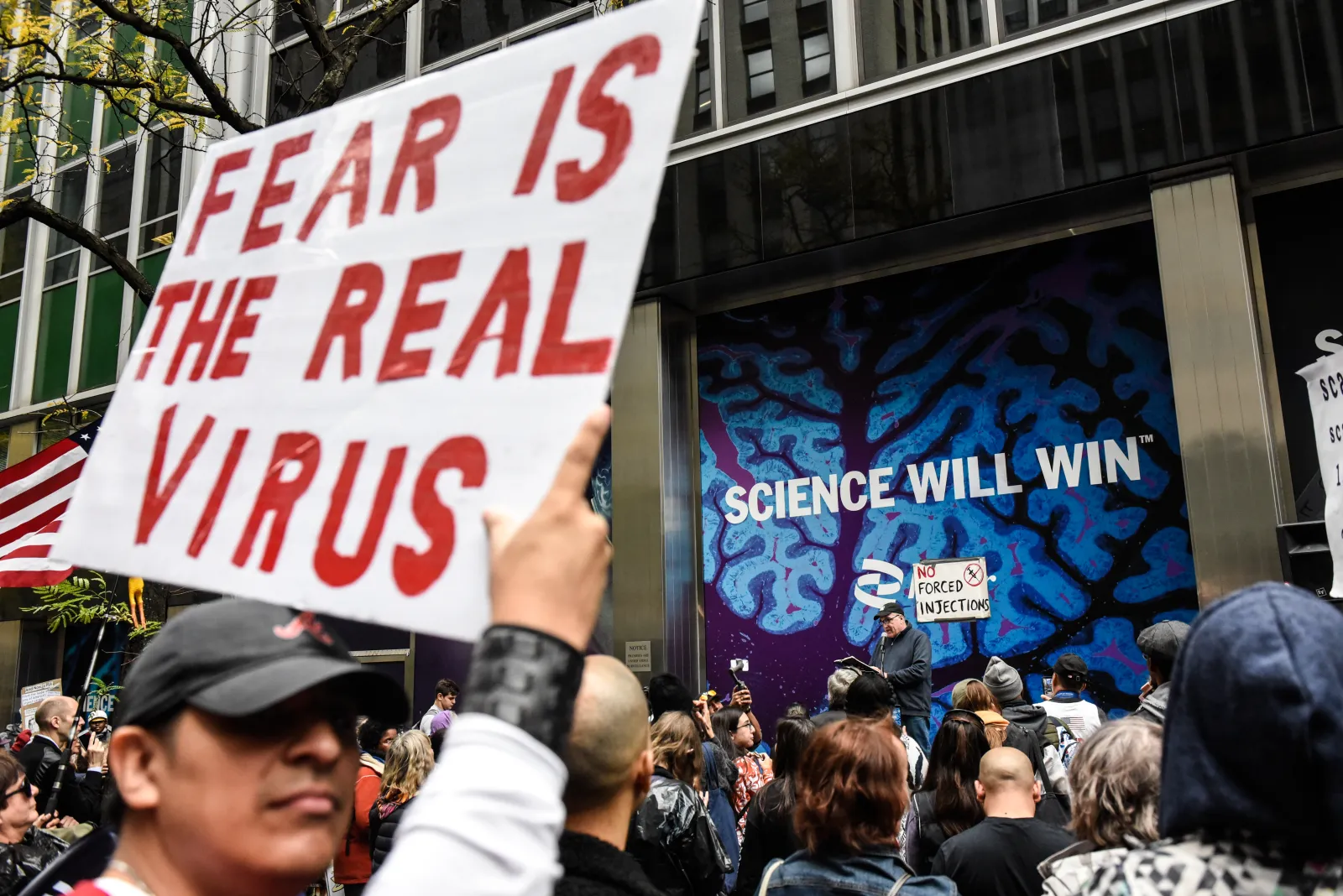
Shrime said the increasingly divisive politics feeding into health information is also a concern: “The way it’s framed—us against them—does nothing but worsen the entire population’s health.”
In the post-COVID-19 environment, with the rise of distrust and misinformation, particularly around health and vaccinations, “transparency is especially important,” Adams told Newsweek.
“We’re operating in a highly polarized space where one side accuses experts of ‘not doing enough’ or ‘hiding the truth,’ while the other side immediately labels any discussion of risk as alarmist fear-mongering.”
Erosion of Public Trust
The skepticism towards experts is apparent in the response to their social media presence.
One of Adams’ X posts, shared on May 8, assured travelers in the U.S. that there was “no need to panic about Hantavirus at this time,” citing the CDC and WHO, which stated the risk to the general public is very low from the cruise ship outbreak, and that usual US strains do not spread from person to person.
Responses ranged from people calling it “horrible advice” and a “naive and irresponsible post” as people should be more concerned, with one saying they “aren’t panicking, and you are the last person I will listen to regarding viruses.”
Adams described the reaction to his posts as “exactly what you’d expect in today’s climate,” as while some thank him for helping them understand the “actual risk level,” others get “defensive” and accuse him of having an agenda, or suppressing the “‘real story’.”
“Both extremes erode public trust,” Adams warned, adding that the only approach should be to “stay grounded in the data, acknowledge the uncertainties openly, and correct the record in real time, even when it’s uncomfortable or when the correction gets pushback.”
He believes that every time he and his colleagues correct the record in public, they “reduce the oxygen available to the false narrative.”
However, in part because of the rise of misinformation during the pandemic, and in the years since, trust in the experts “who could protect us against the next pandemic” has been undermined, Shrime said.
Cohen agrees that “public trust in institutions took a huge hit during COVID,” due to “genuine communication failures” and evidence “presented with more certainty than actually existed.”
“Once trust is lost, it’s incredibly difficult to rebuild, ” she said, and as others step in to fill that vacuum, conspiracy theories can proliferate.
Traditional media also plays a part, she said, as extensive coverage can make people perceive a bigger threat than there may actually be.
“When audiences are exposed to relentless crisis framing, it creates fertile ground for people claiming there is a hidden agenda, cover-up, or manipulation behind every outbreak,” Cohen argues. “Calm, proportionate and transparent communication is therefore more important than ever.”