U.K. officials privately admitted AstraZeneca blood clot risk was “potentially very serious,†then let trial on children as young as 6 continue
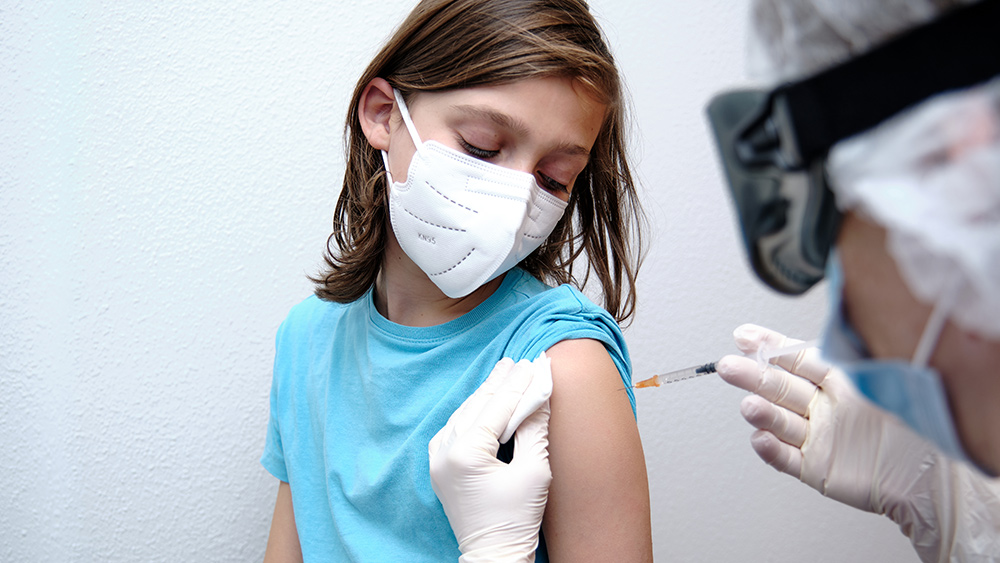
U.K. officials privately admitted AstraZeneca blood clot risk was “potentially very serious,” then let trial on children as young as 6 continue
- U.K. government advisers privately admitted in May 2021 that AstraZeneca’s COVID-19 vaccine carried a potentially very serious blood clot risk.
- They still allowed a clinical trial giving the shot to 262 children, some as young as 6, to continue.
- The advisers acknowledged the vaccine’s direct benefit to children was remote and low compared with the risk.
- By then, Britain’s medicines regulator had logged 332 reports of the clotting condition, including 58 deaths.
- Britain has now accepted that its vaccine injury compensation scheme needs reform but has offered no timeline.
Behind closed doors in May 2021, British government advisers acknowledged that AstraZeneca’s COVID-19 vaccine carried a “very small but potentially very serious risk” of a blood-clotting condition that can kill. Yet those same officials allowed a clinical trial involving 262 children — some as young as 6 — to press forward, newly released meeting minutes reveal.
The document, marked “Not for Publication” and first reported by GB News, shows the Commission on Human Medicines discussed the life-threatening syndrome known as vaccine-induced immune thrombotic thrombocytopenia (VITT) on May 21, 2021. By then, the U.K.’s medicines regulator had logged 332 reports of the condition after AstraZeneca shots, 58 of them fatal.
What makes the decision particularly jarring is the fact that the advisers themselves noted that the vaccine’s direct benefit to children was “quite remote” and that, weighed against the risk, the benefit was low. Nonetheless, the trial, which included 112 children ages 6 to 11, continued.
Experts acknowledged limited treatment options yet refused to halt trial
One committee member backed letting the trial proceed, even as the panel conceded there is often “no successful intervention” once VITT sets in.
Dr. Angus Dalgleish, professor of oncology at City St George’s, University of London, called the committee’s inaction negligent, telling The Defender the known blood clot risk should have served as “an immediate red flag to halt all vaccination of children immediately.”
The clinical trial had initially paused on April 6, 2021, to investigate those same blood clot reports. But regulators allowed it to resume, and younger participants received their second doses approximately two months after the May meeting, by GB News’ estimate. That was nearly four months after Denmark, Norway and Iceland became the first countries to suspend the shot.
Britain’s own vaccine committee had already restricted AstraZeneca for younger adults
In early April 2021, the U.K.’s Joint Committee on Vaccination and Immunisation told healthy adults under 30 to pick a different vaccine. On May 7, it widened that advice to healthy adults under 40.
Yet the trial kept giving the shot to healthy children, a group Britain never offered AstraZeneca’s vaccine to outside the study. And by then, it was well established that COVID-19 posed an extremely low risk to healthy kids.
Regulatory capture or prudent science? Critics point to conflicts of interest
Dr. Bob Gill, a general practitioner with Britain’s National Health Service, described the decision as regulatory capture by an alliance of drugmakers and government. Several meeting participants had ties to AstraZeneca or Oxford University, the vaccine’s co-developer.
“We see this time and time again, where the regulators do not, for whatever reason, do what seems the obvious thing to do to protect patient safety,” Gill said.
The U.K.’s Medicines and Healthcare products Regulatory Agency (MHRA) says advisory members must declare relevant interests, with arrangements in place to manage potential conflicts. Alison Cave, the agency’s chief safety officer, defended the process, saying safety concerns and the benefit-risk of further doses received regulatory and independent expert scrutiny after the pause. Oxford says the study restarted only with fresh regulatory and ethics approval, after families got updated safety information and consented again.
Injured volunteers still waiting as Britain promises compensation reform
Karl Jablonowski, senior research scientist at Children’s Health Defense, said the minutes show candid discussions about serious risks took place only in private. “Outside those doors, there was no candid discussion amidst the lock-step censorship,” he said.
By November 2022, suspected VITT cases linked to AstraZeneca had climbed to 445, with 81 deaths. The company pulled its COVID-19 vaccine from the market in 2024, citing waning global demand.
Britain’s COVID-19 Inquiry, which published its vaccines report in April 2026, said the Vaccine Damage Payment Scheme must be reformed “as soon as possible.” The government accepted the need for reform in October 2026 but has offered no timeline.
Meanwhile, cases like that of Marie-Claire Hoyle, an NHS nurse left with permanent spinal cord damage after volunteering for AstraZeneca’s 2020 adult trial, show what volunteers can be left to shoulder. The scheme accepted that the vaccine caused her injury but refused a payout because her disability no longer met its 60% threshold.
As the U.K. government reviews its pandemic response, the question remains: when officials knew the risks were serious and the benefits to children were minimal, why did the trial continue? Parents who volunteered their kids deserved that candor in 2021, not in minutes surfacing five years later.
Sources for this article include: